
X-Ray Systems in the Food Industry: A Guide for Food Manufacturers
In January 2025, the USDA’s Food Safety and Inspection Service announced a recall of nearly 25,000 pounds of frozen chicken taquitos after a consumer found metal in their food. That


In January 2025, the USDA’s Food Safety and Inspection Service announced a recall of nearly 25,000 pounds of frozen chicken taquitos after a consumer found metal in their food. That
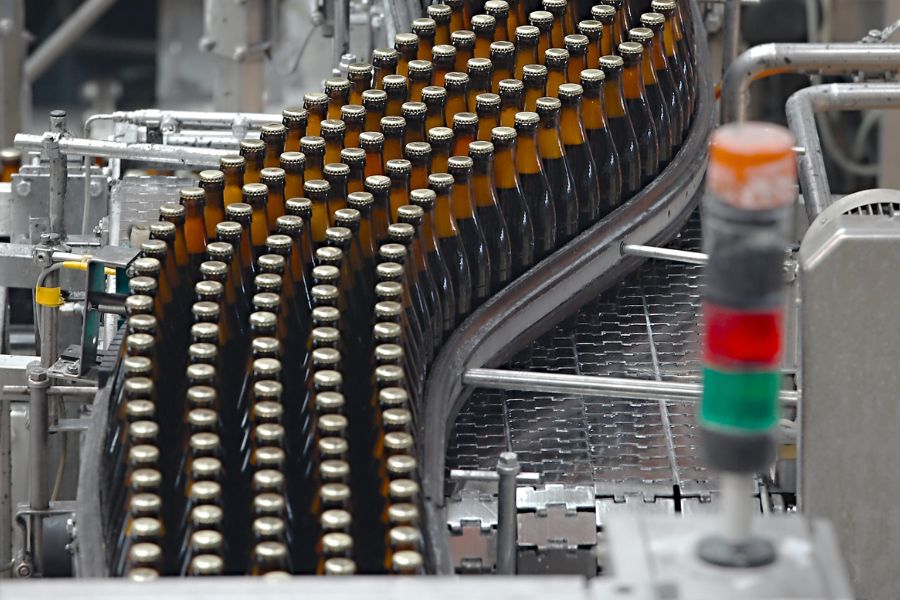
Glass ranks among the most dangerous physical hazards in food production. Unlike metal fragments that may pass through the digestive system, glass shards can lacerate internal tissues and cause choking.
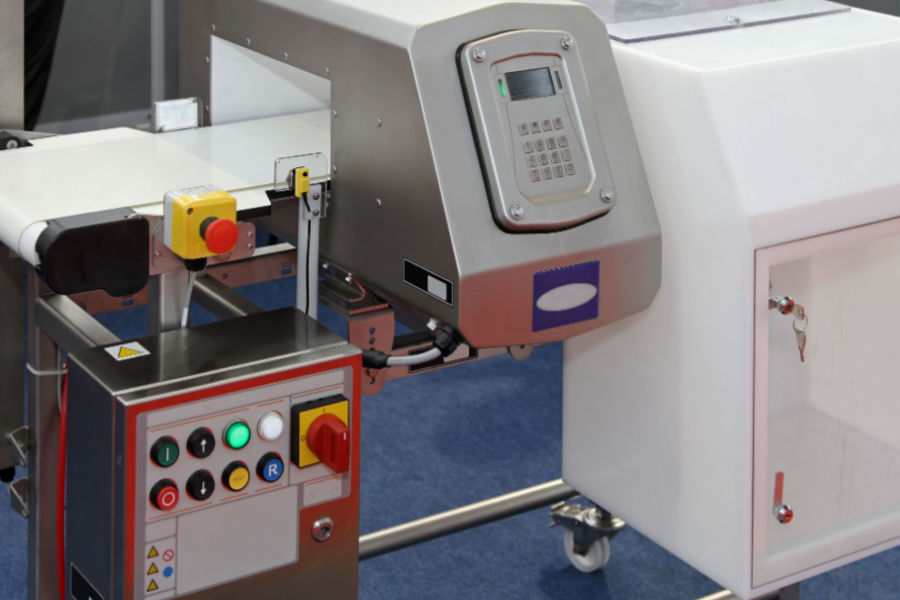
When selecting metal detection equipment for your food production facility, understanding detection limitations is critical. Most metals CAN be detected by modern metal detectors, but stainless steel and certain low-conductivity

If you’re setting up metal detection for your food production line, you’ve likely encountered confusing information about FDA requirements. Many sources claim the FDA mandates specific metal size limits, but

If you’re considering X-ray inspection for your food production line, you’ve likely encountered concerns about radiation safety. You’re not alone in asking this question. Many food manufacturers and consumers worry
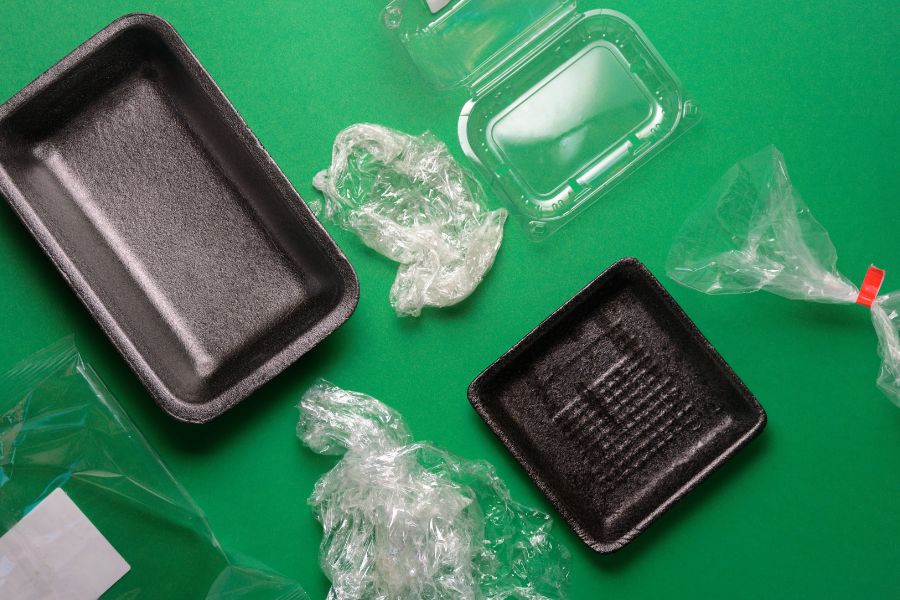
Quick Answer & Why It Matters X-ray systems can detect anything denser than water, so anything that would sink in a glass of water is detectable. Whether plastic shows up
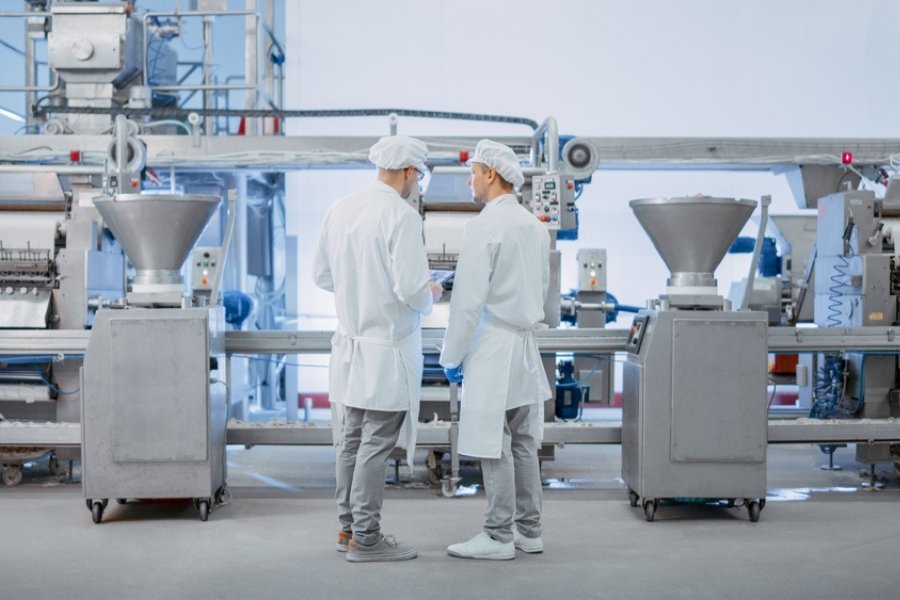
Detecting contamination in food production is vital to safety and quality control. Major brands, including chicken or snack food producers, have faced safety recalls in the last year due to

Is your company relying solely on a vision system to perform inspections? Or does your business depend exclusively on an x-ray system to inspect its products? Either way, you’re missing

Does your company specialize in producing, packaging, and shipping low-density foods to grocery stores, restaurants, and other establishments? If so, using x-ray technology in low-density food inspection processes should be

Unfortunately, it isn’t uncommon for certain contaminants, including metal, glass, and plastic, to end up in dairy products. Combat this problem by learning about how to perform food x-ray inspections