

Food manufacturers working with cultured dairy products face a critical question: does x-ray inspection technology harm the beneficial bacteria that make yogurt, buttermilk, and sour cream so valuable? This concern stems from confusion between x-ray inspection and food irradiation. The answer is clear: x-ray inspection systems used for contamination detection do not kill probiotics or affect the viability of live cultures.
Understanding this distinction is essential for dairy processors who need both food safety and product integrity. Modern x-ray inspection systems operate at radiation levels thousands of times lower than those used in food irradiation. When operated correctly, this means they are considered safe for cultured products while providing superior contamination detection.
X-Ray Inspection vs. Food Irradiation: Understanding the Difference
The confusion between x-ray inspection and food irradiation creates unnecessary concern among food manufacturers. These are fundamentally different processes with vastly different purposes and power levels.
X-Ray Inspection Systems:
- Purpose: Detect physical contaminants like glass, metal, and stone
- Radiation dose: Typically 1 millirad or less per scan
- Duration: Less than one second exposure
- Effect on food: No measurable impact on nutritional value or microorganisms
- Primary goal: Quality assurance and safety verification
Food Irradiation:
- Purpose: Kill bacteria, parasites, and extend shelf life
- Radiation dose: typically ranges from 1,000 to 10,000 Gy for most food applications
- Duration: 15 to 45 minutes
- Effect on food: Intentionally destroys microorganisms
- Primary goal: Food preservation and pathogen elimination
The radiation dose difference is staggering. X-ray inspection uses doses comparable to natural background radiation that we encounter daily. Food irradiation uses doses specifically designed to kill microorganisms.
Ionizing Radiation Dose Levels: The Numbers That Matter
Understanding radiation dose levels helps put x-ray inspection safety into perspective. The FDA provides clear guidelines about radiation exposure from different sources.
| Source | Dose (mSv) | Dose (mGy) | Dose (mrem) | Contextual Comparison |
| Natural background radiation (annual) | ~3 mSv | ~3 mGy | ~300 mrem | Baseline exposure |
| X-ray food inspection (per scan) | 0.001–0.01 mSv | 0.001–0.01 mGy | 0.1–1 mrem | Extremely low. FDA indicates no measurable impact |
| Medical chest x-ray | ~0.1 mSv | ~0.1 mGy | ~10 mrem | 10x food inspection dose |
| Food irradiation (used to kill microbes) | 1,000–10,000 mSv per Gy → 1,000,000–10,000,000 mSv total | 1,000–10,000 Gy (1–10 kGy) | 100,000,000–1,000,000,000 mrem | Designed to eliminate pathogens, vastly higher dose |
These numbers demonstrate why x-ray inspection poses no threat to probiotics. The World Health Organization has confirmed that radiation levels up to 10,000 Gy have no significant effect on food safety or nutritional value. X-ray inspection operates at levels millions of times below this threshold.
Most x-ray systems used in food inspection operate with even lower doses than the regulatory maximum. Advanced systems use optimized power levels that provide excellent contamination detection while minimizing any radiation exposure.
Beneficial Microorganisms: What Makes Them Valuable
Probiotics and live cultures provide significant health benefits that make cultured dairy products valuable to consumers. These beneficial microorganisms include several key species that must remain viable to deliver their intended effects.
Common Beneficial Bacteria in Cultured Foods:
- Lactobacillus bulgaricus: Essential for yogurt fermentation
- Streptococcus thermophilus: Works with L. bulgaricus in yogurt production
- Lactobacillus acidophilus: Supports digestive health
- Bifidobacterium species: Promotes gut health and immune function
- Lactobacillus casei: Aids in lactose digestion
These microorganisms are naturally hardy. They survive the acidic environment of fermented foods and resist many environmental stresses. The extremely low radiation doses from x-ray inspection are insufficient to damage their cellular structures or affect their viability.
The fermentation process itself creates conditions that help protect these beneficial bacteria. The acidic environment and metabolic byproducts they produce create natural preservation effects that maintain their viability throughout normal processing and storage.
Contamination Detection: Why X-Ray Inspection Matters
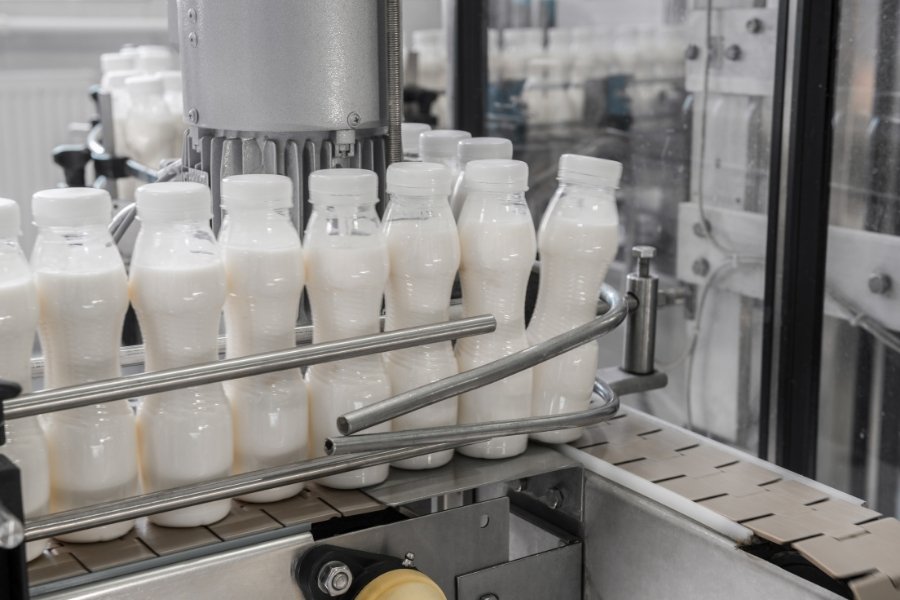
X-ray inspection technology has become essential for dairy processors because it detects contaminants that other systems cannot identify. This capability is particularly important for cultured products that cannot undergo harsh treatments without destroying their beneficial properties.
Physical Contaminants that X-Ray Systems Detect:
- Glass fragments from broken containers
- Metal particles from processing equipment
- Stone pieces from ingredient contamination
- Dense plastic fragments
- Bone fragments in some applications
- Ceramic pieces from damaged equipment
X-ray systems excel at detecting these contaminants because they identify density differences within products. Dense foreign objects appear clearly against the lower density of the products. This makes x-ray inspection highly effective for cultured foods.
The non-destructive nature of x-ray inspection is crucial for maintaining product integrity. Unlike some other inspection methods, x-ray scanning does not require opening packages or disturbing the product structure. This preserves both the physical properties and the microbial balance of cultured products.
Modern x-ray systems can inspect products at full production speeds. This means every container can be checked without slowing down manufacturing operations. The rapid scanning process ensures that beneficial bacteria experience minimal exposure time.
Food Inspection Regulations: Compliance and Standards
Regulatory agencies worldwide have established clear guidelines for x-ray inspection of food products. These regulations specifically address radiation safety and effectiveness requirements.
The European Union directive 1999/2/EC regulates x-ray inspection systems used on foodstuffs. It requires that food inspection doses not exceed 0.5 Gray with maximum radiation energy of 10 MeV. Most modern inspection systems operate well below these limits.
FDA regulations in the United States set similar safety standards. The agency has confirmed that radiation doses from cabinet x-ray systems pose no risk to food safety or nutritional value. These systems must meet strict emission standards that limit radiation exposure outside the inspection chamber.
Key Regulatory Requirements:
- Maximum radiation dose limits for food inspection
- Safety interlocks and containment systems
- Regular calibration and performance verification
- Operator training and certification requirements
- Documentation and record-keeping standards
Compliance with these regulations ensures that x-ray inspection systems operate safely for both products and personnel. The regulatory framework specifically accounts for the need to inspect sensitive products like cultured foods without affecting their beneficial properties.
How Producers Verify Live Cultures
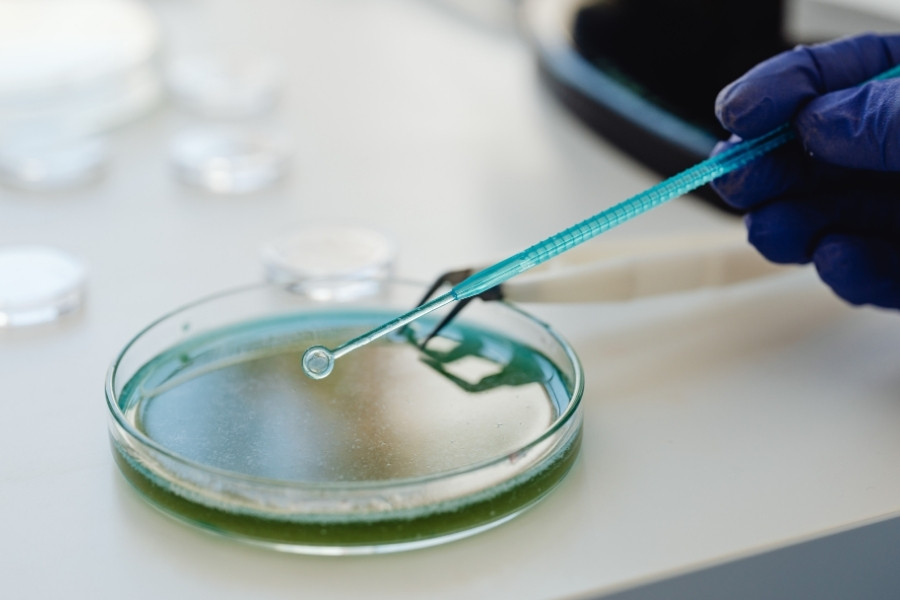
Dairy manufacturers use sophisticated testing methods to verify that their cultured products maintain viable beneficial bacteria throughout processing and distribution. These verification procedures confirm that x-ray inspection does not affect probiotic viability.
Standard Viability Testing Methods:
- Plate Count Methods: Direct enumeration of viable bacteria using selective media
- Flow Cytometry: Rapid assessment of cell viability and metabolic activity
- Molecular Techniques: DNA-based methods for identifying and quantifying specific strains
- Metabolic Activity Tests: Measurement of acid production and other bacterial functions
Most manufacturers conduct regular testing before and after x-ray inspection to verify that bacterial counts remain stable. These tests consistently show no significant difference in probiotic viability between inspected and non-inspected products.
The International Dairy Foods Association maintains standards for Live and Active Cultures certification. Products carrying this seal must contain at least 100 million cultures per gram at manufacture. Testing protocols verify that x-ray inspection does not reduce these counts below certification thresholds.
Best Practices for X-Ray Inspection of Cultured Products
Implementing x-ray inspection for cultured dairy products requires attention to system configuration and operational procedures. Proper setup ensures maximum contamination detection while maintaining product quality.
Optimization Strategies:
- Use lowest effective radiation dose for adequate detection
- Minimize product exposure time through efficient conveyor design
- Maintain consistent product temperature during inspection
- Regular calibration using test samples with known contaminants
- Staff training on proper system operation and maintenance
Modern x-ray systems include advanced software that optimizes inspection parameters automatically. These systems adjust power levels and sensitivity settings based on product characteristics. This ensures reliable contamination detection while using minimal radiation.
Temperature control during inspection helps maintain product consistency. Cultured products should remain at proper storage temperatures throughout the inspection process. This preserves both microbial viability and product quality.
Regular system maintenance prevents power fluctuations that could affect inspection reliability. Properly maintained systems operate at consistent low power levels that pose no risk to beneficial bacteria.
Safe Inspection for Healthy Products
We help dairy processors implement x-ray inspection systems that meet the highest safety and quality standards. Our equipment delivers reliable contamination detection while preserving the beneficial properties that make cultured products valuable to consumers.
Ready to enhance your cultured product safety without compromising quality? Contact our team to learn how our x-ray inspection systems can protect your products and your customers.
